Insomnia Is More Than a Sleepless Night
Insomnia is a common sleep disorder that makes it hard to fall asleep, stay asleep, or wake up feeling rested—even after a full night in bed. It can be short-term (acute) or long-term (chronic), affecting your energy, mood, and health.
There are three main types:
lineSleep-onset insomnia – Trouble falling asleep
lineSleep-maintenance insomnia – Waking up during the night
lineEarly-morning awakening – Waking too early and unable to go back to sleep
Signs You May Be Living With Insomnia
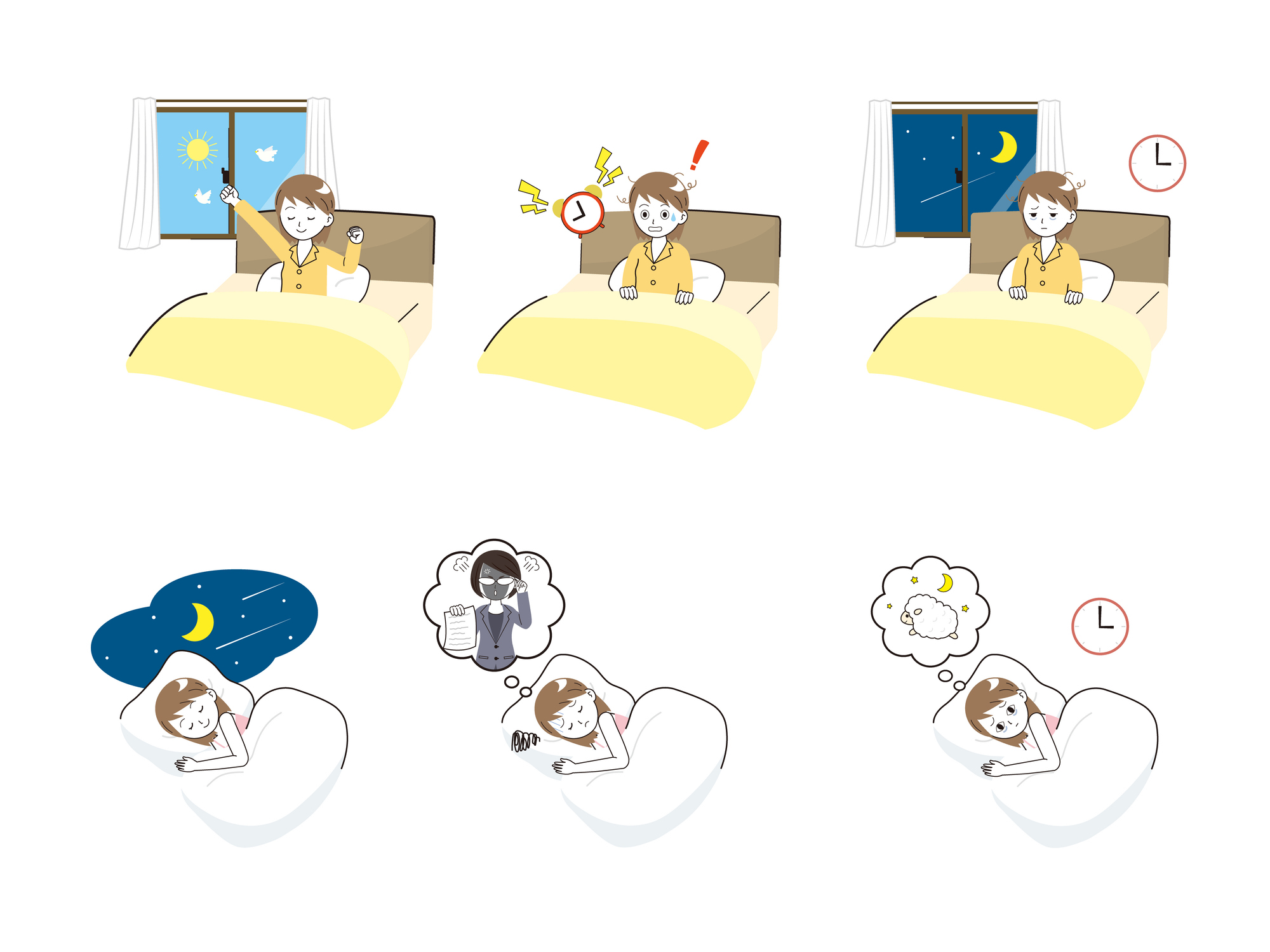
- Difficulty falling asleep at night
- Waking up often or lying awake for long periods
- Waking too early and unable
to fall back asleep - Feeling tired upon waking
- Daytime fatigue or low energy
- Irritability, anxiety, or mood swings
- Trouble concentrating or remembering things
- Worrying about sleep every night
Accurate Diagnosis = Targeted Treatment
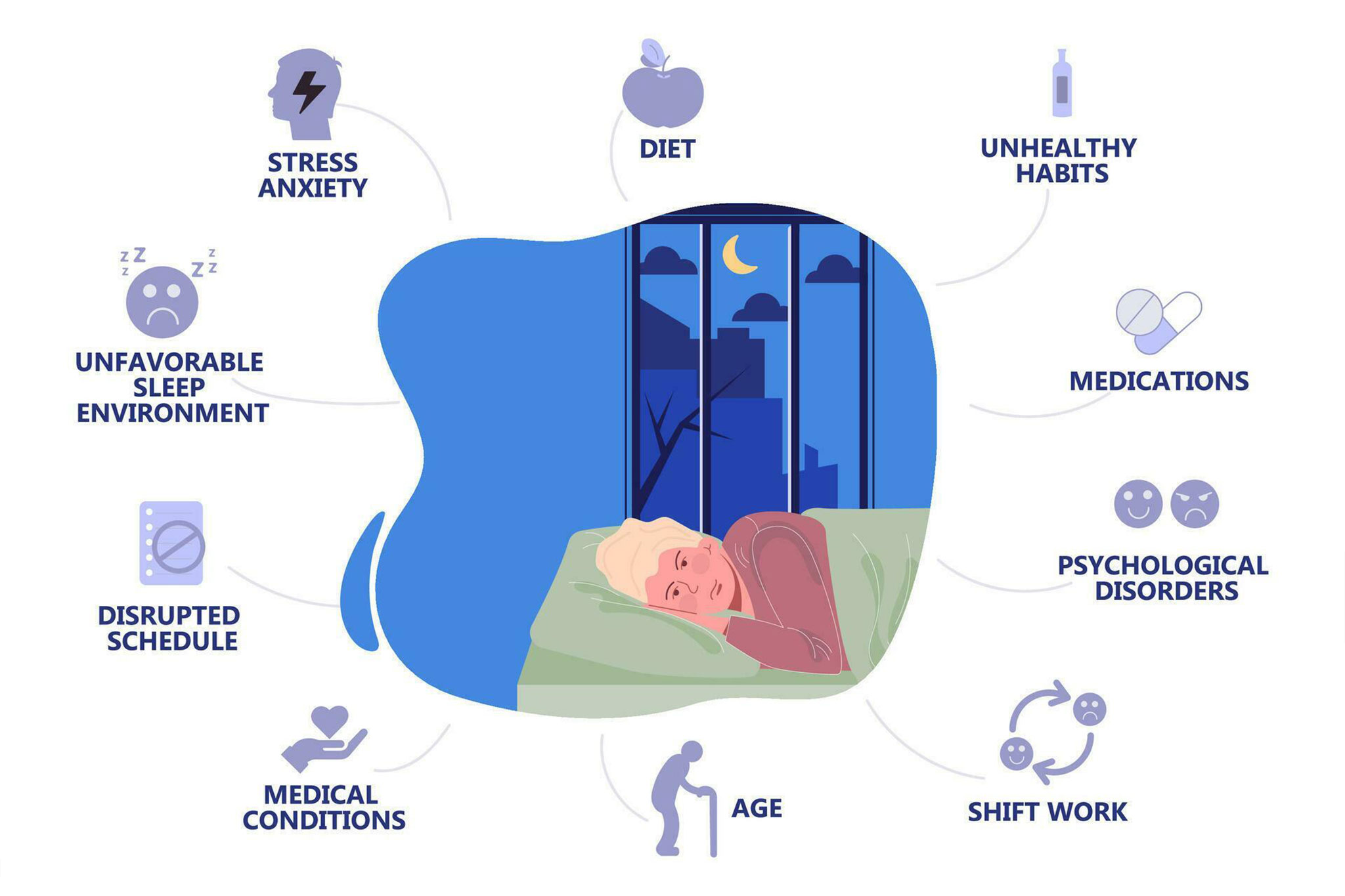
Your path to better sleep starts with understanding the full scope of your sleep issues. We use:
lineIA detailed sleep and health history
lineSleep diaries and screening questionnaires
lineIn some cases, overnight sleep studies (polysomnography) to rule out other disorders like sleep apnea or periodic limb movements
Our board-certified sleep physicians work with you to identify both contributing factors and coexisting conditions.
What to Expect at Lakeland Sleep Center
Consultation

Evaluation

Diagnosis

Treatment Plan
Personalized, Proven Treatments That Work
We create a treatment plan tailored to your specific needs. Options may include:

Cognitive Behavioral Therapy for Insomnia (CBT-I):
The gold-standard, non-drug approach to retraining your sleep brain. Addresses thoughts, behaviors, and habits around sleep.

Sleep Hygiene Coaching:
Lifestyle changes and routines to support healthier sleep patterns.

Relaxation & Mindfulness Training:
Breathing techniques, guided imagery, and progressive muscle relaxation to reduce nighttime anxiety.

Medication Management:
When appropriate, short-term use of sleep aids may be recommended—always monitored and supported by your physician.
Real Stories, Real Impact
This was a great experience! I was treated with kindness, respect, and every courtesy. Everything in my room and bath was immaculate. There was warmth and humor that let me relax. The 'hook up' was done with care and expertise. I am truly grateful for this service.
"Appreciate the sleep and bed…like home."
"I want you to know how much I have appreciated the great service and help that Ray Pietz has given me in the last month or so. I was very dissatisfied with the service I had received from the clinic that originally sold me and serviced my...
Read More"From now on I will look to him, and to your clinic, whenever I have need for help with my sleep apnea and CPAP"
"This company is doing a great job. The customer service is very good."
"It was a very pleasant experience in as private environment as possible. I was surprised how Eugene made me feel so comfortable and took the time to explain everything so well. Thank you."
"Your facility and employees are excellent."
"Shawn is outstanding! The best person I’ve ever had to be a patient for in all of health care. He’s knowledgeable, professional, caring. Makes it fun!"
"Techs were awesome and informative."
"Ann was AMAZING. She ALWAYS got back to me the same or next day. She answered ANY and ALL questions I had even if it meant playing phone tag. She really took the time with me and made me feel like I mattered. And what can top...
Read More"Excellent service/treatment. Felt well taken care of/cared for. I would highly recommend."
“The night of my sleep study I had Jenny she was very friendly. She knows what she is doing and does it with efficiency.”
"The night of my sleep study I had Caleb for a sleep tech and he was AMAZING and took his time with me and went over masks and everything with me."