Choosing the Right CPAP Mask
Introduction
The right CPAP mask can make or break your therapy success. Comfort, fit, and style all affect how well you sleep and whether you stick with treatment. Here’s how to choose the best option for your needs.
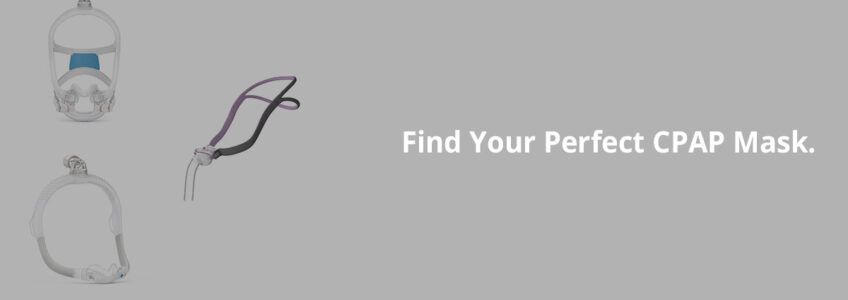
Full-Face Mask
- Covers mouth and nose
- Best for mouth-breathers or high pressures
- May feel heavier but offers stable airflow
Nasal Mask
- Covers only the nose
- Ideal for active sleepers
- Lightweight and comfortable for most users
Nasal Pillow Mask
- Small cushions rest at nostrils
- Minimal design, great for low-pressure users
- Quiet and easy to wear with glasses
Mask Fitting and Replacement
LHS provides personalized mask fittings at all locations. Over time, cushions and straps wear out — typically every 3–6 months. We can help you order replacements or try new styles.
Schedule your mask fitting today or explore CPAP supplies at LHS. Breathe better, sleep better, live better.
CPAP 101 – How Continuous Positive Airway Pressure Therapy Works
Introduction
If you’ve recently been diagnosed with sleep apnea, your doctor may recommend CPAP therapy. This safe, proven treatment uses gentle air pressure to keep your airway open — helping you breathe easily and sleep soundly all night.
How CPAP Works
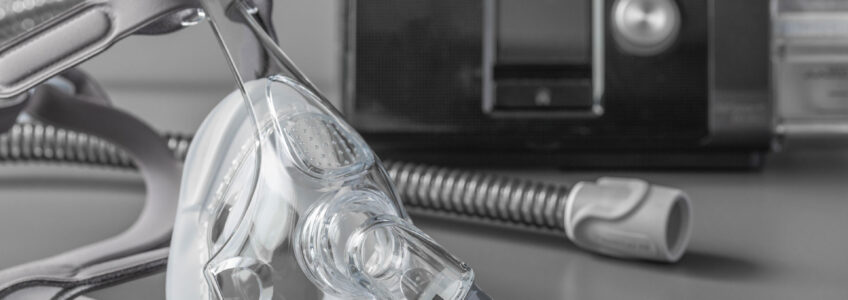
- The CPAP machine delivers continuous air through a hose and mask.
- The steady pressure prevents your airway from collapsing during sleep.
- This restores oxygen flow and reduces snoring, fatigue, and health risks.
Key Benefits
- Improved energy and alertness
- Better heart and brain health
- Reduced snoring and nighttime awakenings
LHS Support for CPAP Patients
LHS offers full CPAP setup, education, and troubleshooting at all our branches. Our specialists fit you with the right mask and teach you how to clean, maintain, and travel with your device.
Start your CPAP journey with confidence. Schedule your fitting with LHS today!
Home Sleep Testing – A Comfortable Way to Diagnose Sleep Apnea
Introduction
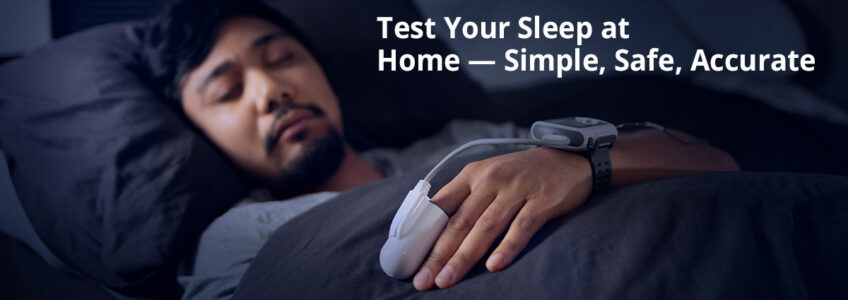
If you snore, wake up tired, or suspect sleep apnea, you don’t always need to spend a night in a lab. Home Sleep Testing (HST) from LHS lets you test from the comfort of your own bed — with the same diagnostic accuracy as traditional methods.
How It Works
- Pick Up or Receive Your Device – We’ll provide a lightweight, easy-to-use monitor.
- Wear Overnight – The device tracks breathing, oxygen, and sleep position.
- Return or Upload Data – LHS experts use AI-assisted scoring tools (like EnsoData) to quickly interpret your results.
Benefits of HST
- Convenient and comfortable
- Lower cost than lab testing
- Fast results and treatment initiation
Who Qualifies?
Most adults with moderate sleep apnea symptoms are good candidates. Your physician will decide if an in-lab study is better based on your health history.
Ask your provider if a home sleep test through LHS is right for you. Contact us to get started today.
Your First Sleep Study – What to Expect
Introduction
A sleep study, also known as a polysomnogram (PSG), helps your doctor understand what happens to your body while you sleep. At LHS, we make your first experience comfortable and informative so you can finally get answers — and better rest.
Before Your Study
- Arrival Time: You’ll typically check in around 8 p.m.
- What to Bring: Comfortable sleepwear, toiletries, medications, and a favorite pillow if you prefer.
- Preparation: Avoid caffeine after noon and remove lotions or oils before arrival.
During the Night
You’ll be connected to small sensors that measure your brain waves, breathing, oxygen, and heart rate. The setup is painless and allows you to move and sleep normally. Our technologists monitor your data in real-time to ensure accuracy.
After the Study
You’ll be able to leave early the next morning. Your sleep data is then analyzed by our specialists — including AI scoring — to generate an accurate, detailed report for your physician.
Comfort and Privacy
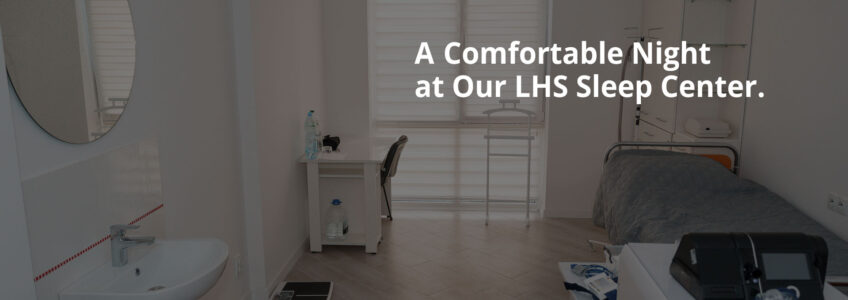
Each LHS sleep center features a private bedroom-style room, clean linens, and quiet environment. Many patients say they sleep better than expected!
Ready to find out what’s really happening in your sleep? Schedule your sleep study today with LHS.
Why Am I Always Tired? Common Signs You Might Have a Sleep Disorder
Introduction
If you wake up feeling like you never slept, struggle to stay awake during the day, or rely on caffeine just to function — your body may be telling you something more serious than “not enough rest.” Millions of Americans live with undiagnosed sleep apnea or other sleep disorders that silently drain energy and affect long-term health.
-
Loud Snoring and Gasping for Air
Snoring isn’t just a nuisance — it can be a sign that airflow is being blocked during sleep. Partners may notice pauses in breathing followed by gasps or choking sounds.
-
Constant Fatigue Despite Full Nights of Sleep
Even with eight hours in bed, poor-quality sleep leaves you unrefreshed. Sleep apnea causes repeated awakenings that you may not remember.
-
Morning Headaches and Dry Mouth
Interrupted breathing can lower oxygen levels and lead to headaches. A dry mouth or sore throat can result from sleeping with your mouth open.
-
Trouble Concentrating or Memory Issues
Your brain relies on deep sleep to process and store memories. Chronic disruption can affect focus, mood, and mental clarity.
-
Weight Gain and Metabolism Issues
Sleep impacts hormones that regulate hunger and metabolism. People with sleep apnea often find it harder to lose weight despite diet and exercise.
-
Mood Changes or Depression
Irritability, anxiety, or mild depression are common in those not getting restorative rest.
-
High Blood Pressure or Heart Problems
Untreated sleep apnea strains the cardiovascular system, increasing risk of heart attack, stroke, and arrhythmia.
When to See a Sleep Specialist
If these signs sound familiar, a simple sleep study—either at home or in a lab—can diagnose the issue and help restore your energy and focus.
LHS can help. Our board-certified sleep specialists offer both home and in-lab studies across Minnesota and Wisconsin.
Schedule your sleep consultation today at www.lhsleep.com/appointments